GUIDE
The Field Guide
to Growing
Indoors
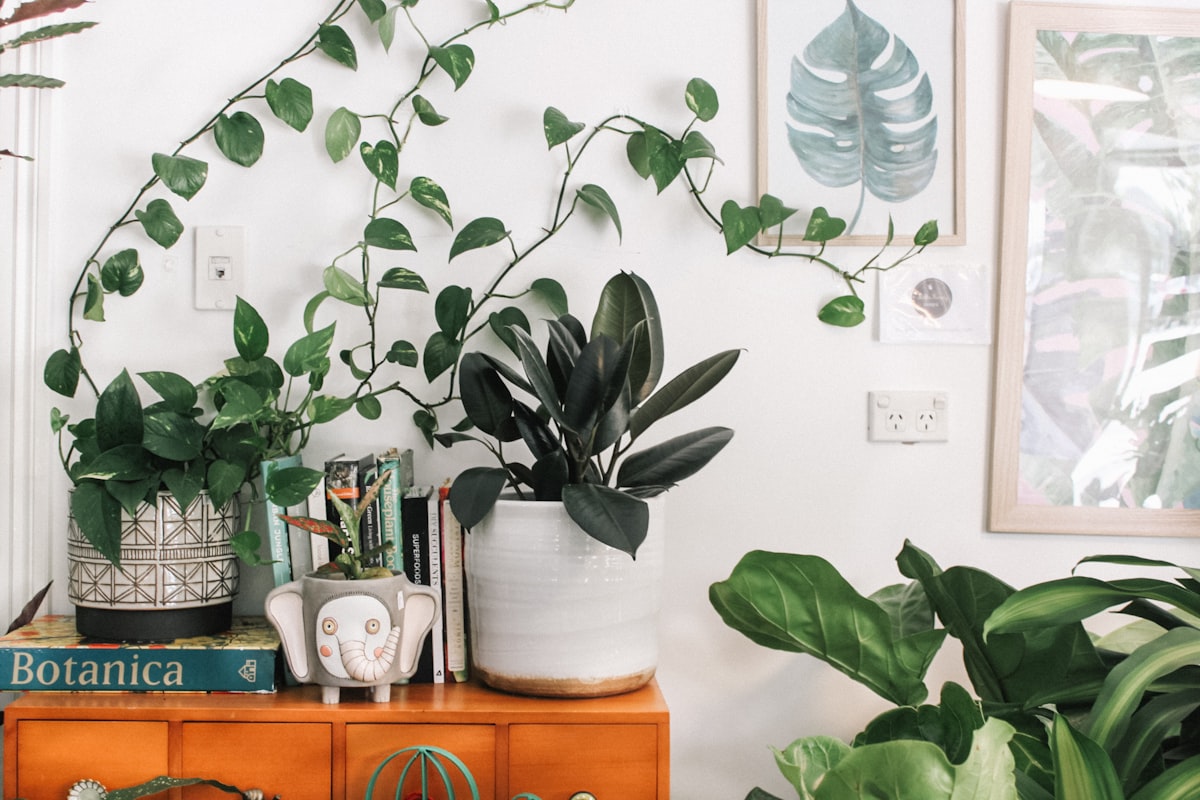
Plants do not read instructions — they read light, water, soil, and air. This guide, written by the Breeder Magic team in Casper, walks through the four things every indoor grower learns eventually, so you can learn them now instead. Four chapters, no jargon, and a shelf of tested gear waiting when you need it.
01

Light,
the first meal
Most houseplants want 6 to 8 hours of bright, indirect light; leafy tropicals will limp along on less but stop growing. When windows cannot deliver — and in a northern winter they often cannot — a grow light closes the gap. Hang it 12 to 24 inches above the canopy and run it 10 to 12 hours on a timer. Watch for the warning signs of too little light: leaves stretching toward the window, pale new growth, and long bare gaps between leaves. Our Grow Lights category covers panels and bulbs we have metered ourselves.
Shop this chapter
02

Water,
but only on request
Forget the calendar — use the finger test. Push a finger two knuckles into the soil; water only when it comes out dry. Then water thoroughly until it runs from the drainage hole, and never let a pot sit in a full saucer. More houseplants drown than starve. If your schedule is unpredictable, self-watering pots keep a steady reserve below the roots, and drip kits handle a whole shelf while you travel. Everything in our Watering Solutions category passed a month of real-life testing first.
Shop this chapter
03

Soil & air,
the quiet half
Garden soil belongs in the garden — indoors it compacts, holds too much water, and can carry pests. Use a proper potting mix, and stir in perlite when you want extra aeration; roots need oxygen as much as moisture. Plan to repot every 12 to 18 months, or whenever roots circle the pot or push through the drainage hole, moving up just one pot size at a time. Our Indoor Gardening Essentials category keeps mixes, perlite, and repotting tools in one place.
Shop this chapter
04

Support
& the kind cut
Climbers grow bigger leaves when they have something to climb. Give monsteras and pothos a moss pole — kept lightly damp so aerial roots grip — and train vining peperomias or hoyas along a trellis. Pruning is kindness, not punishment: clean cuts just above a node with sharp bypass shears push the plant to branch fuller. Crushed stems from dull blades invite rot. Find poles and trellises in Plant Support, and shears worth sharpening in our Care Accessories.
Shop this chapter
SIGNS
Quick
signals
Plants speak in leaves. Five common phrases, translated.

